

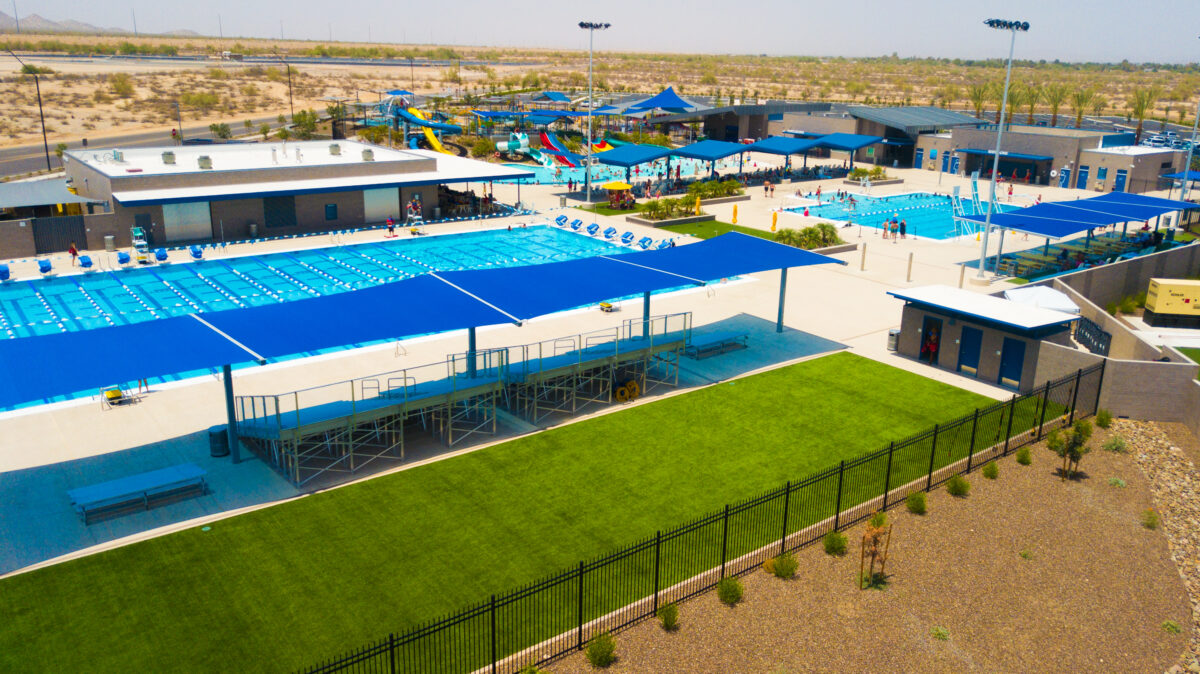
Key Takeaways:
- Commercial shade-structure placement requires understanding Arizona’s intense sun patterns, seasonal angles, and reflective surfaces.
- Effective shade structure design focuses on how people actually use the space, including traffic flow and the time of day’s activity.
- Choosing the right structure type — like cantilevers, sails, or modular systems — ensures optimal coverage for your specific site.
- Shade ’N Net specialists provide expert guidance tailored to Arizona’s climate, helping businesses maximize comfort, usability, and ROI.
Arizona doesn’t offer much of a break from the sun. With long daylight hours, relentless UV exposure, and year-round heat, simply putting up a shade isn’t enough. To make outdoor spaces truly usable — and comfortable — you need a shade solution that’s as strategic as it is sturdy.
This guide is designed to help Phoenix-area businesses understand how thoughtful shade structure design and smart placement can create cooler, more functional spaces all year long.
Know the Sun Before You Build
In Arizona, the sun’s path shifts dramatically with the seasons. That means the perfect shady spot in April might be sun-drenched come August. Before you start planning, it’s important to understand:
- East-west orientation: Morning sun rises in the east and afternoon sun sets in the west, meaning different sides of your property will be exposed at various times. Knowing which areas get the most exposure during peak business hours can help you position shade structures where they’ll offer the most comfort.
- Seasonal sun angles: In winter, the sun sits lower in the sky, casting longer shadows, while in summer, it climbs higher and shines almost directly overhead. Factoring in these changing angles ensures your shaded areas stay effective throughout the year, not just in one season.
- Heat reflection: Hard surfaces such as asphalt, concrete, or glass can reflect and intensify heat, making shaded areas hotter than expected. Accounting for these surfaces in your layout can improve comfort and reduce ambient temperatures under the canopy.
Getting sun protection in Arizona heat starts with observing how sunlight and surrounding elements interact with your site — not just on paper, but on the ground.
Design Principles That Deliver Maximum Coverage
Shade placement isn’t just about where the sun lands — it’s about how people use the space. That’s why a site-specific assessment is the first step in effective shade structure design. You’ll want to consider:
- Traffic flow and use zones: Identify where people spend time, where they pass through, and how those patterns shift throughout the day. Targeting key zones like outdoor seating, waiting areas, or pedestrian paths ensures shade supports how the space is actually used.
- Time-of-day goals: Think about when the space is most active — midday sun may require taller overhead coverage, while early-morning or late-afternoon use might call for angled structures or vertical screening. Matching the structure’s height and orientation to these patterns maximizes comfort.
- Layered or modular setups: For large or irregular spaces, consider multiple overlapping or modular structures. This approach offers greater flexibility, can accommodate future layout changes, and helps maintain consistent shade even as the sun moves across the sky.
Effective layout isn’t one-size-fits-all. A well-placed structure can make all the difference in usability, comfort, and long-term ROI.
Choose the Right Shade Style for Your Space
Not every structure suits every space. Here are a few styles from Shade ’N Net that excel at optimizing sun shade sail placement and overall coverage:
- Cantilever Full Shade Structure: Perfect for parking areas or walkways, these designs keep the space beneath clear and accessible.
- Hexagon or Octagon Shade Structures: Great for parks, playgrounds, and common areas where people gather from all sides.
- Shade Sails: Ideal for tight or irregular spaces; these offer customizable layout options and visually dynamic design.
- Extreme Span Structures: Engineered for large, open areas like athletic fields or public event spaces, where continuous coverage is key.
Placement Strategies by Business Type
Whether you’re serving customers or providing a space for play, optimizing coverage takes different forms depending on your business:
- Restaurants and retail patios: Balance customer comfort with visibility from the street.
- Schools and playgrounds: Prioritize shade during midday recess and high-traffic playtimes.
- Athletic complexes: Cover bleachers, dugouts, or sideline areas without obstructing sightlines.
- Parking lots: Use linear shade designs that protect vehicles without disrupting traffic flow.
Why Fabric Color and Breathability Matter
Not all shade fabrics perform the same in the Arizona sun. At Shade ’N Net, our knitted HDPE fabric is breathable — designed to let hot air escape while blocking as much as 98% of harmful UV rays.
- Lighter colors tend to reflect more heat, helping keep areas beneath even cooler.
- Darker shades absorb more warmth but may create a more dramatic visual presence.
- Use colors intentionally, for both functional temperature control and visual brand alignment.
A well-planned shade sail structural design considers both style and temperature impact.
Key Questions to Answer Before Installation
Before committing to a layout or structure, be sure to ask:
- What direction does your building face?
- How is the outdoor space used throughout the day?
- Are there zoning rules, codes, or height restrictions?
- Should the system be static year-round or adaptable for seasonal use?
The answers will help guide your shade sail installation in Phoenix for maximum comfort and performance.
Let Shade Experts Guide the Process
Every site is different, and designing the right shade structure isn’t something you have to do alone. At Shade ’N Net, our team of specialists understands the nuances of Arizona’s climate, sun patterns, and local regulations. Whether you’re optimizing for foot traffic, outdoor comfort, or visual appeal, we bring decades of experience to help you choose the right structure, placement, and materials.
From on-site assessments to tailored recommendations, we make sure your investment in shade delivers comfort, durability, and long-term value.
Smart Shade Pays Off in Comfort, Style, and ROI
In Arizona, thoughtful shade planning goes far beyond aesthetics. It directly impacts energy efficiency, usability, and the long-term success of any outdoor space. Whether you’re creating a place for play, dining, or day-to-day business, smart sun protection in Arizona heat starts with better layout decisions.
Interested in creating a custom solution for your space? Contact Shade ’N Net for a design consultation tailored to your property, your goals, and Arizona’s unique climate.