

Key Takeaways:
- Shade structures enhance safety by blocking harmful UV rays, reducing skin cancer risks, and creating more comfortable community spaces.
- They protect outdoor equipment from sun damage, offering long-term cost savings and sustainability for schools and parks.
- Grants from federal, state, and private organizations provide funding opportunities for shade structures, especially in underserved communities.
- A strong grant application requires clear project plans, cost estimates, and community impact statements, supported by local partnerships and matching funds.
- Strategic collaboration with local officials and organizations strengthens shade grant proposals and builds lasting support for community health initiatives.
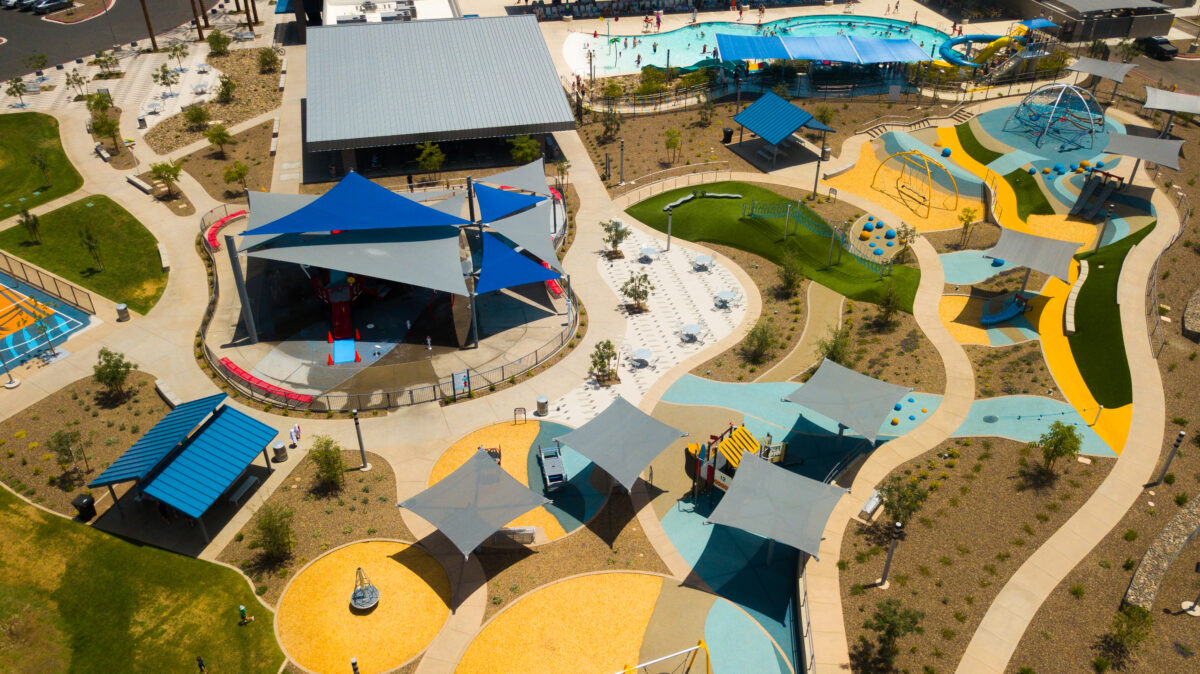
In schools, playgrounds, and community spaces, shade structures play an essential role in creating safe, comfortable environments. These structures, strategically placed over play areas, benches, and communal gathering spots, provide protection from the sun’s harmful UV rays and help prevent heat-related illnesses. This benefit is especially crucial in places where prolonged sun exposure is common, such as playgrounds and public parks. That’s because shade structures can block up to 98% of harmful UV rays, reducing skin cancer risks and enhancing comfort on hot days.
Beyond health and safety, shade structures offer long-term cost savings by protecting equipment and facilities from sun damage. Playgrounds and community installations exposed to intense sunlight experience faster wear and tear, resulting in frequent and costly replacements. Shade structures shield these assets, extending their lifespan and reducing ongoing maintenance expenses. For organizations and communities with limited budgets, these structures become a wise investment in both safety and financial sustainability.
However, despite these clear benefits, funding shade structures can be challenging. High-quality, UV-resistant materials and durable frames require upfront investment, and many schools and community groups face resource constraints. Thankfully, numerous grants for sun shades are available to support these essential projects. This guide aims to walk you through the process of identifying, applying for, and securing funding to make your community space safer and more inviting.
Overview of Available Grants for Shade Structures
Securing funding for shade structures is feasible thanks to a variety of grant options that target public health, community well-being, and educational enhancements. Understanding these funding sources can help schools, playgrounds, and community spaces find grants that align with their goals.
Types of Grants
- Federal Grants: Federal agencies like the Centers for Disease Control and Prevention (CDC) and the Environmental Protection Agency (EPA) occasionally offer grants that can be used for projects promoting public health, including skin cancer prevention and UV protection. These grants typically aim to improve community health or support educational programs, making them a good fit for installing shade structures.
- State and Local Grants: Many state and local governments also provide funding through health departments and community-focused initiatives. State health departments may offer grants to support health-oriented projects, including UV protection measures, while local government programs sometimes fund community improvements, making these ideal sources for shade structure funding. For example, the City of Phoenix’s Office of Heat Response and Mitigation offers grants aimed at increasing tree and shade coverage in eligible neighborhoods, schools, and community spaces.
- Private and Nonprofit Grants: Numerous nonprofit organizations and foundations support health and safety initiatives that may include shade structures. For example, the American Academy of Dermatology (AAD) gives grants to schools and nonprofits to install permanent shade structures. Community foundations and health-focused organizations, such as the Shade Foundation, also frequently provide funding for projects that contribute to the well-being of local residents.
Eligibility Criteria
Most grants for shade structures require applicants to demonstrate the project’s community or health benefits. Schools, playgrounds, parks, and other public spaces where people gather are often eligible, as these areas maximize public impact. Some grants may also prioritize projects in underserved communities or areas where outdoor facilities are heavily used. Understanding and meeting these criteria can improve your application’s chances of success.
How to Find Shade Structure Grants
Finding the right grant opportunities for shade structures may require some research, but several resources can help simplify the process. Begin your search by exploring online grant databases and websites dedicated to shade structure grants for schools and community projects. Websites like Grants.gov list federal grants, while many states and local governments have their own portals with information on regional grants. Additionally, nonprofit organizations often have directories of funding resources that cater to public health and community development.
To streamline your search, try using targeted keywords. Terms like “shade grant,” “grants for playground shade,” “sun shade funding,” and “UV protection grants” can yield specific results. Combining these search terms with your location or community type can also help identify grants that are relevant to your needs.
Local community foundations and health-focused nonprofits can be valuable allies in securing funding. Many of these organizations support projects that promote health, safety, and community well-being, aligning closely with the goals of shade structure projects. For instance, foundations focused on skin cancer prevention may offer funding or have knowledge of grants related to UV protection. Reaching out to these organizations, such as local chapters of dermatology associations, can reveal opportunities that aren’t always widely publicized.
Step-by-Step Guide to Applying for a Shade Structure Grant
Applying for a shade structure grant can be straightforward if you follow a structured approach. Here’s a step-by-step guide to help you navigate the process successfully:
1. Understand the Grant Requirements
Before you start, thoroughly review the application guidelines for any grant you’re considering. Each funding source may have unique requirements, from eligibility criteria to specific project details. Confirm that your project meets all the basic qualifications, such as serving a community-focused purpose, providing health or safety benefits, or targeting specific locations or populations. This initial step is essential to avoid spending time on applications for grants your project might not qualify for.
2. Gather Necessary Documentation
Most grant applications require supporting documentation to justify the project’s scope, cost, and impact. Typical documents include:
- Project Plans: Detailed descriptions of the proposed shade structure, including size, location, and design.
- Cost Estimates: A clear budget breakdown covering all project expenses.
- Community Impact Statements: A description of how the shade structure will benefit the community, particularly in terms of health and safety.
- Letters of Support: Endorsements from community leaders, local officials, or relevant organizations that can strengthen your application.
Assembling these documents in advance will help you move efficiently through the application process and make a more compelling case for funding.
3. Write a Strong Proposal
Crafting a persuasive proposal is key to standing out. Highlight the community’s needs and demonstrate how the shade structure will have a positive impact on health, safety, and well-being. Emphasize the project’s long-term benefits, such as reducing skin cancer risk, enhancing comfort in public spaces, and lowering maintenance costs. Whenever possible, support your points with local data, testimonials, or case studies showing similar projects’ success in other communities.
4. Submit the Application
Before submitting, double-check all details for accuracy and completeness. Ensure that you’ve met all requirements and included the necessary documents. Submitting well before the deadline can provide additional peace of mind, and keeping copies of all submitted materials will be helpful for reference or future applications.
Additional Tips for Securing Shade Grant Funding
While grant funding can provide substantial support for your shade structure project, additional strategies can increase your chances of success and help cover any remaining costs:
- Consider Matching Funds or In-Kind Contributions: Combining grant funding with matching funds or in-kind contributions can strengthen your project’s viability. Many communities reach out to local businesses, such as construction companies, landscape suppliers, or health organizations, to seek financial or material support. These partnerships can help offset costs for materials or labor and demonstrate community investment in the project. Local fundraising initiatives — such as bake sales, raffles, or community events — can generate small donations that collectively make a big impact. Having matching funds in place can also make your grant proposal more compelling, as it shows broader support and commitment to the project.
- Partner With Local Officials and Organizations: Building connections with local officials, health organizations, and community advocates can provide valuable support. Representatives from local health departments, dermatology clinics, or city councils may endorse the project or provide resources to help with the application process. Collaborating with these individuals and groups increases awareness of the project’s benefits, which can attract additional supporters and potential co-funders. Cultivating these relationships can also be beneficial for future projects, as having established contacts within the community makes it easier to mobilize support when needed.
Shade structures provide essential protection from UV rays and offer long-term savings by preserving outdoor equipment, making them a valuable addition to schools, parks, and other community spaces. Despite the initial costs, grants offer a pathway to fund these projects, allowing communities to enjoy safer and more comfortable outdoor environments.
If you’re ready to bring shade to your community, start exploring available grants and preparing your application. Whether you’re a school administrator or a community organizer, investing in shade structures can make a lasting impact. For more information on shade solutions tailored to your needs, check out Shade ’N Net’s work with other organizations.